Programs of Study
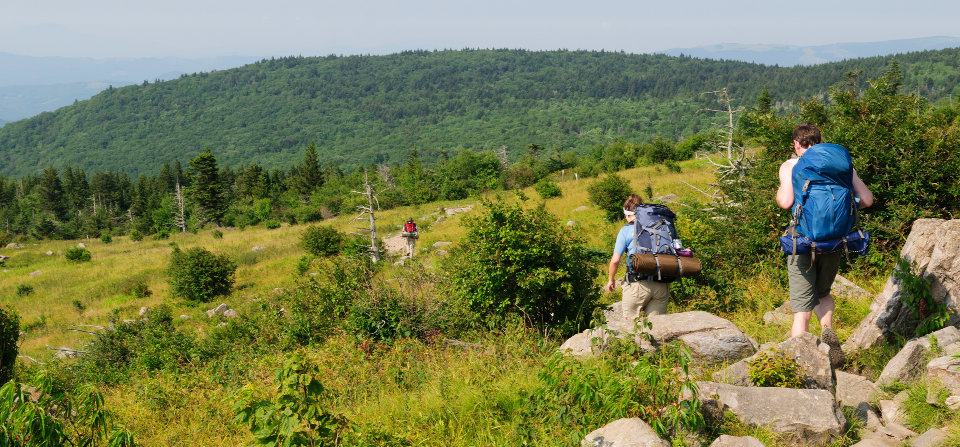
Environmental Management and Recreational Ecology (AAS)
Roll up your sleeves and dive into immersive experiences. Our courses provide practical skills that bridge classroom knowledge with real-world applications. Explore the diverse Appalachian ecosystem firsthand and gain expertise in forestry, ecology concepts, and outdoor event management.
Guide Essentials (CSC)
Guide Essentials prepares students to lead outdoor excursions for a variety of outdoor recreation activities and events. The courses provide the student with the skills they need to be successful working for an outfitter, adventure camp, national, state or local Parks, or other recreational venue.
Outdoor Interpretation and Education (CSC)
Outdoor Interpretation and Education prepares students to organize, plan, and conduct outdoor educational activities and events. Skills are develop to protect and preserve natural resources to reduce the impact of activities, to conduct effective outdoor activities and events to provide an explanation of nature and the environment, and to minimize the impact of potential risk.
Outdoor Recreation (CSC)
Outdoor recreation activities are available in most areas, and visiting state and national parks is popular regardless of the state of the economy. State, national and other park services employ many employees in various types and classifications of jobs. At the heart of outdoor recreation activities, an integrated trail system and waterway infrastructure is necessary for adventure tourism and outdoor recreation activities such as hiking, biking, kayaking, canoeing, and ATV riding.
Recreational Ecology (CSC)
Recreational Ecology prepares students to work in various types of forestry, parks, trail systems, and other ecology-related technical jobs. The courses provide the student with the skills they need to be successful working for a trail system, an outfitter, adventure camp, national, state, or local Parks, state forestry, division of natural resources, or other recreational venue. Skills are developed to understand basic forestry and ecology concepts, to protect and preserve natural resources reduce the impact of activities and utilization, to effectively conduct outdoor activities and events, provide educational interpretation of nature and the environment, and fundamental knowledge of fish, wildlife, and forestry management, and to minimize the impact of potential risk to the environment and diverse Appalachian ecosystem.